Loading...
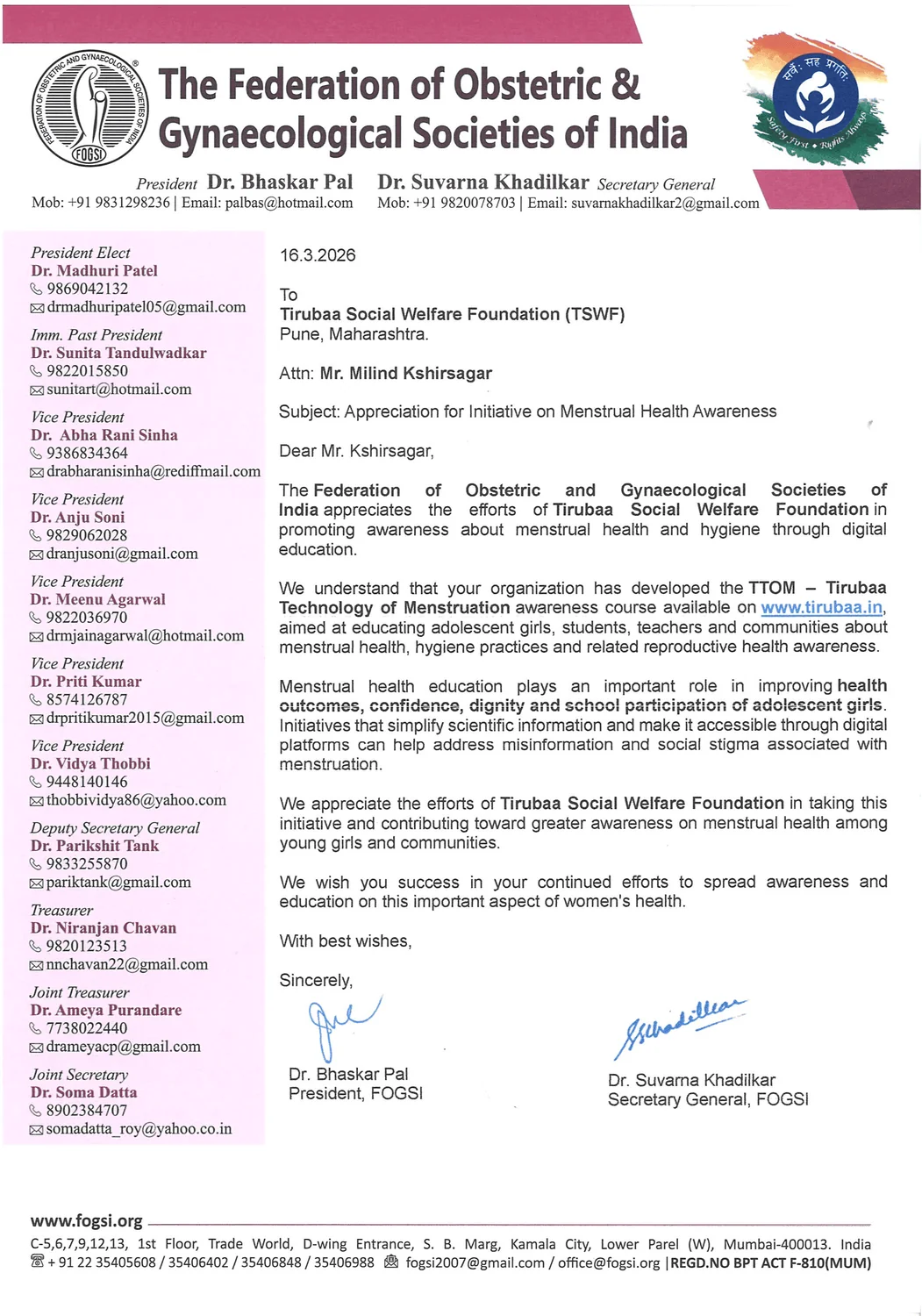
Tirubaa Technologies Pvt. Ltd., is an incubatee company of science & technology park (a joint initiative of dept. of science & technology, Govt. of India)
Menstruation can be a global health problem due to unequal access to menstrual hygiene management (MHM). This is sometimes called "period poverty" and affects at least 500 million people every month.
Menstrual hygiene should be taught to every girl so that she can have a smooth and healthy life during menstruation and otherwise. Proper menstrual hygiene education is vital for reducing health risks.
Menstrual education can have a positive impact on society in many ways.It is extremely important to permit women to effectively manage their menstrual cycles in a manner that is hygienic and safe.
We designed "Tirubaa Menstruation Course" with best animations and graphical presentations which are easily understandable. Course syllabus covers all the aspects related to the menstruation and menstrual health.
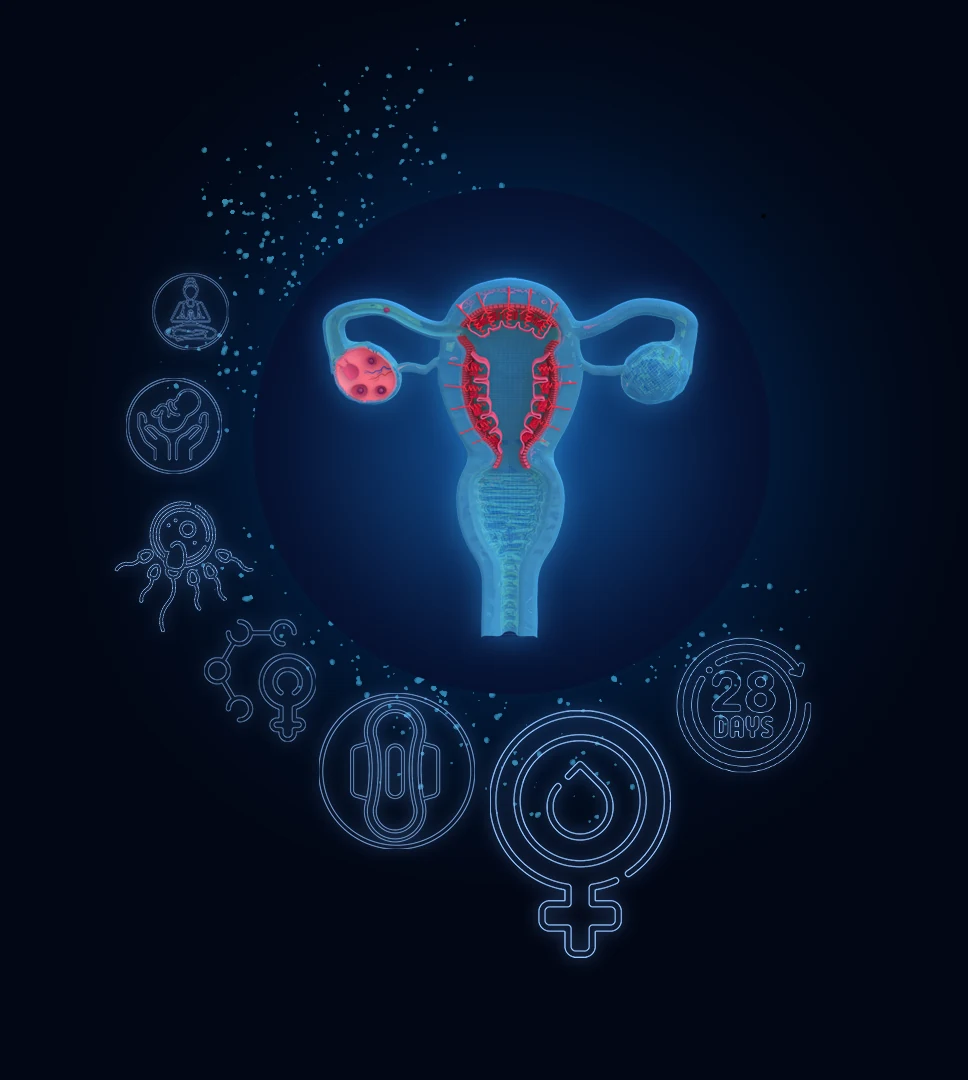
Understanding menstruation is crucial for the health and well-being of individuals who experience it. Knowing what is normal and what might be a sign of a health issue, such as irregular cycles or excessive bleeding, can help in early detection and treatment of conditions like polycystic ovary syndrome, endometriosis, or menorrhagia.
Menstruation is closely tied to the reproductive system. Knowing about your menstrual cycle can be helpful when trying to conceive or when using contraception to prevent pregnancy. Understanding when you're most fertile during your cycle can assist in family planning.
Being informed about periods is essential for maintaining proper hygiene during menstruation. Using appropriate menstrual products and understanding how to manage your period can help prevent discomfort, infections, and embarrassment.
Menstruation can have emotional and psychological effects on individuals. Knowing about the physical and emotional changes that can occur during the menstrual cycle can help people better manage their emotions and mental well-being.
Knowledge about periods can empower individuals, particularly those who menstruate, to take control of their own health and body. It can also help reduce stigma and promote self-confidence, allowing open conversations and better support among peers and within society.
For individuals in school or the workforce, understanding their menstrual cycle and its potential impact on their energy levels, concentration, and productivity can be valuable. Being aware of when to expect their period can help them plan accordingly and manage any associated symptoms.
"I loved this programme very much. It gives a very beneficial education to the girls. As it was the first session in our school, we have experienced a lot of things in it. The programme was about periods. The programme was not only good but also very beneficial for girls as well as ladies. The main head of this programme told about periods, what happens during it, and about hormonal imbalances which take place in girls. As many girls or ladies think that periods are like a curse for them. But it is the first step for being matured. He told some instructions about it — to avoid mainly fast food for a regular period date. If someone is not getting their periods regularly, they should do yoga asanas, eat healthy food, mainly fruits. Sir has also given us some tips to be followed during periods. Periods are not a curse but a gift given by God. I want to thank Sir for this programme, for coming to our school. "

"I truly liked the program. The information that is given to us is really beneficial. They showed us a video in which we played a game "Put your finger down". They told us how to take care, and reasons behind mood swings and cravings. They told us to not be ashamed of it — periods are natural. They told us about blood types and what to eat while we're on our periods. They told us about hygiene tips, and the side effects of pills and painkillers we take to reduce the pain of cramps. They told us about yoga to stay healthy on periods. They provide us a free course on "That Time of the Month". We register on that website, they told us to watch the videos and answer the quiz. At the last of the programme they provided us the sanitary pads to all women. "
"My opinion about the session conducted by Tiruba Social Welfare Foundation is excellent! The session provided me the information, the small things and details, which we were just unknown about. The session emphasized on women's personal health, hygiene, etc. It made us aware about sexuality, underage pregnancy of a girl, and a good intake diet for a girl's personal hormonal balance. The professor's words about how a girl's food intake nowadays is unhealthy and this causes periods before age — at the age of 9–12 years. When I heard this, I was shocked. So, the awareness about her hygiene and the things she should adopt before her period cycle starts is so important. The professor was very awesome — he spoke in front of many ladies and girl students about "That Time of the Month". And provided us many useful pieces of information through his own experience and through a short film. At the end of the programme, he also conducted a doubt session, in which we can ask topic-related queries. One more interesting part was that mother/parent will scan and fill the information for the questions. At last, the foundation provided the packets of pads for all girls."
"TIRUBAA ह्या ॲप द्वारे मुली घर बसल्या माहिती मिळवू शकतात. मुलींचे काही प्रश्न असतील तर ते या ॲप द्वारे त्याची उत्तरे मिळतील. मासिक पाळीच्या काळात कसा आहार घ्यायचा आणि कशी स्वच्छता ठेवायची, ती माहिती ह्या ॲप द्वारे मिळते. या ॲप द्वारे स्त्रीयांचे कर्करोग वाढण्याचे प्रमाण कमी होईल. या माहितीचा स्त्रीयांना खूप फायदा होणार आहे. या ॲपमुळे कशी काळजी घ्यायची हे सांगितले जाते."
"ह्या कार्यक्रमामध्ये जी माहिती सांगितली ती मुलींसाठी खूप गरजेची असते. ह्या ॲप द्वारे मुली घरी बसल्या TIRUBAA माहिती मिळवू शकतात. मुलींसाठी काही प्रश्न असतील, त्या प्रश्नांची उत्तरे ह्या ॲप मध्ये मिळतील. मासिक पाळीच्या काळात कसा आहार घ्यायचा आणि कशी स्वच्छता ठेवायची, ती माहिती ह्या ॲपद्वारे मिळते. या ॲप द्वारे स्त्रियांचे कर्करोगाचे प्रमाण वाढणार नाही, कर्करोगाचे प्रमाण कमी होईल. या माहितीचा स्त्रीयांना खूप फायदा होईल."
'Krishnashree', 2nd floor, 1294, Shukrawar Peth, Road No-7, Subhash Nagar, Pune : 411002, Maharashtra (India)
Menstruation is the process in which the uterus sheds blood and tissue through the vagina. This is a natural and healthy process for girls and women of reproductive age.
Menstruation is part of the menstrual cycle – a cycle of biological changes that take place in a woman or girl’s reproductive system to prepare her body for a potential pregnancy. The changes are triggered by hormones, which are natural chemicals in the body. This cycle begins when a girl reaches puberty and continues until she reaches the end of her fertility (also known as menopause, at which time menstrual cycles end).
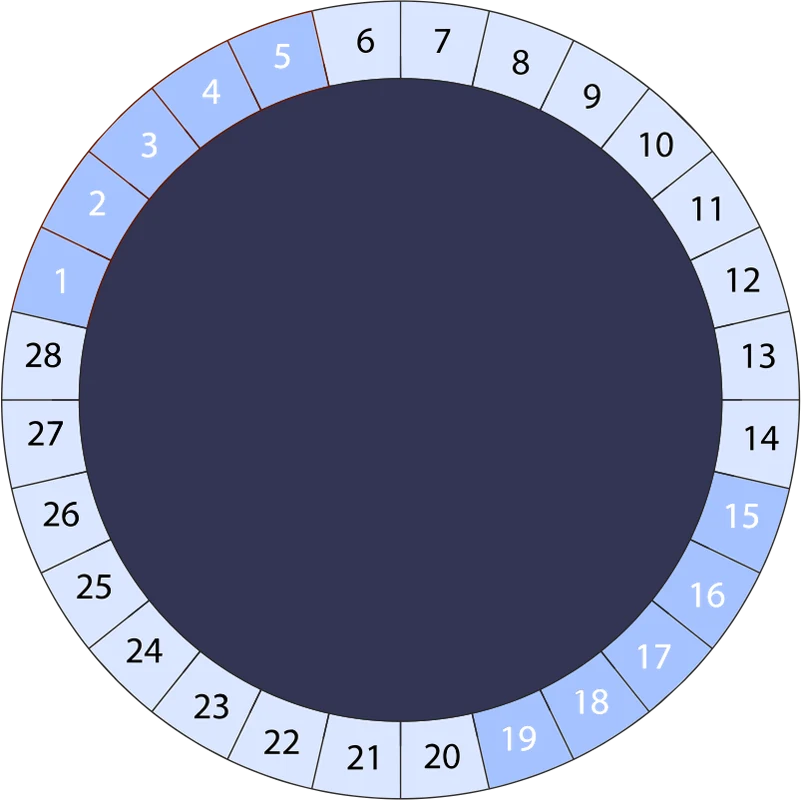
The menstrual cycle is roughly 28 days long, but it can be shorter or longer. It begins with menstruation (considered day 1 of the cycle). Menstruation is the shedding of the lining of the uterus and the remnants of the unfertilized egg. It continues with an increase in the hormone estrogen, and the lining of the uterus becomes thick and spongy again (typically days 6-8). An egg is released from one of the ovaries, called “ovulation” (around day 14, but this can vary), then the egg moves through the fallopian tube towards the uterus (typically day 15-24). If the egg is not fertilized, it will not be implanted in the uterine wall but instead fall apart, and hormone levels such as estrogen and progesterone, will drop. This process is followed by the start of a new cycle.
Menstruation is often different from person to person, and even one person can experience very different periods over their lifetime. This is often healthy and normal. But when menstruation prevents people from engaging in regular activities, medical attention is required. Unfortunately, lack of attention to, and education about, menstruation means that many women and girls suffer for years without receiving care.
Most people who menstruate experience some physical or emotional discomfort known as premenstrual syndrome (PMS) about a week before or during the first few days of their menstrual periods. PMS manifests differently in different people and may vary between menstruation cycles. The most common symptoms during PMS include changes in appetite, backaches, acne, bloating, headaches, depression, feelings of sadness, tension or anxiety, irritability, sweating, tender breasts, water retention, constipation or diarrhea, trouble concentrating, insomnia and tiredness. For some, these symptoms can be so severe that they miss work or school, while others are not bothered.
Menstrual irregularities can result from a myriad of factors. Hormonal imbalances, stress, excessive exercise, certain medical conditions (such as polycystic ovary syndrome or thyroid disorders), and fluctuations in weight can all contribute to irregular menstrual cycles.
Period cramps, scientifically known as dysmenorrhea, can be alleviated through various methods. Applying heat to the lower abdomen, engaging in regular physical activity, taking over-the-counter pain relievers, and practicing relaxation techniques like deep breathing can help manage cramps. Additionally, maintaining a healthy lifestyle, including a balanced diet and sufficient hydration, may contribute to overall menstrual well-being.
Menstruation stops during pregnancy due to the physiological changes in the body and resumes after childbirth. However, it permanently ceases during menopause, which typically occurs in a woman’s late 40s or early 50s. However, it’s essential to note that women’s experiences may differ.